How We Work
The therapeutic process can change the way we relate to ourselves and to other people.
When we experience understanding, care and consistency, it can gently counterbalance coping patterns or behaviours that may once have helped us survive but no longer serve us.
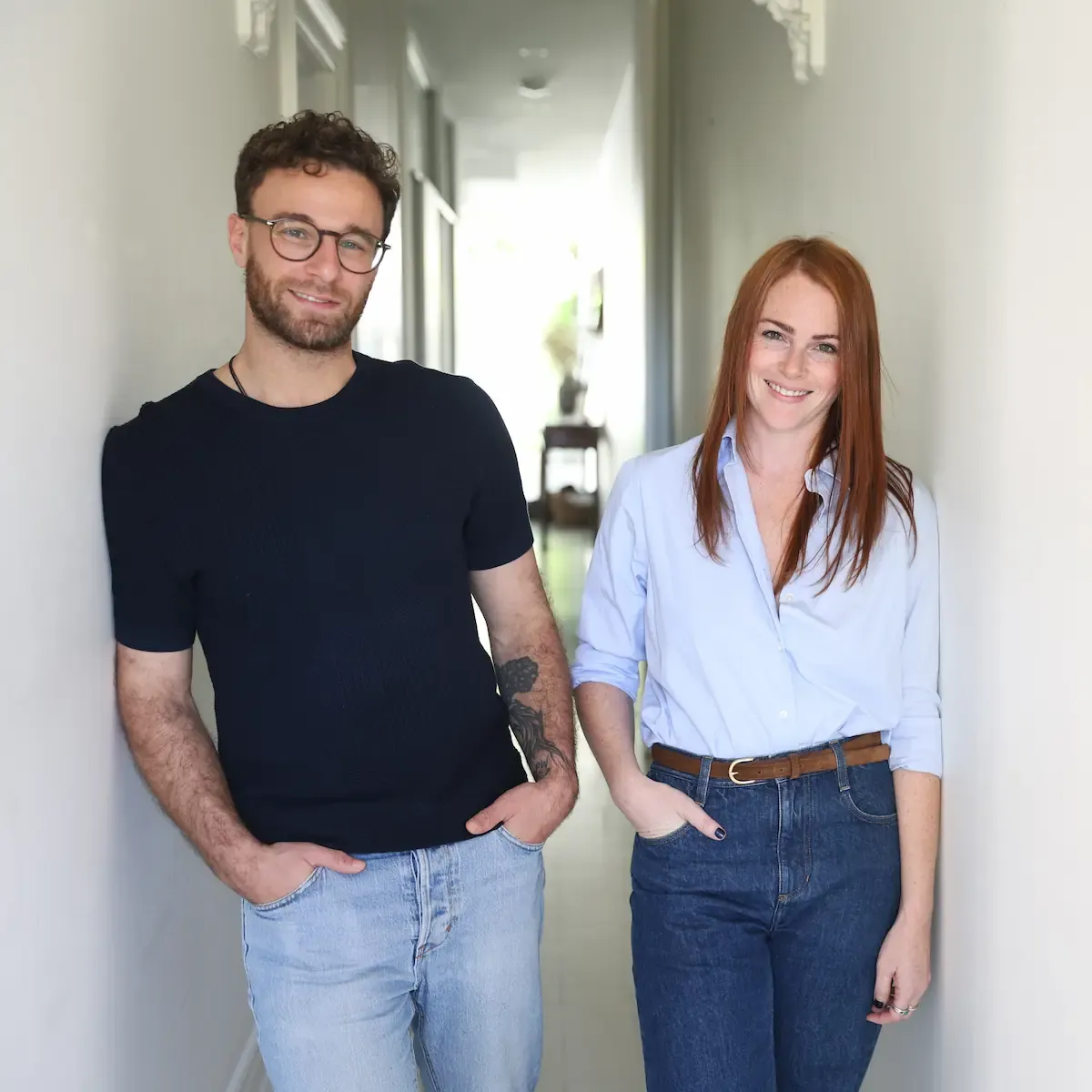
Our Therapeutic Approach
Humans are wired for connection, and safe relationships help our nervous systems settle. For those of us who have experienced trauma or relational wounding, connecting with others can bring up vulnerability and discomfort instead. In therapy we can look at those patterns with curiosity and compassion. Over time that work can help you feel safer in yourself and in your relationships with other people.
A central aim of our work is helping people build capacity and get back a sense of agency: the feeling that you can act rather than only react. Our practice is grounded in trauma-informed and neurodiversity-affirming care. We work with adults, and Daniel also works with young people. We make room for your lived experience and the feelings that come with it.
Together we aim for a safe and compassionate space, where you feel heard and able to move towards a life that carries meaning for you.
Therapeutic Modalities
RI-EMDR
RI-EMDR treats the therapeutic relationship as the mechanism of change. Attachment-based EMDR, parts work and somatic therapies are woven together for deeper integration.
Parts Work
The self is not one thing. Parts Work understands it as many parts, each shaped by individual life experience; meeting them gently, rather than forcing them, is what expands your internal resources.
Somatic Therapy
Experience is held in the body, not only in memory. Somatic therapy works with that directly: noticing sensation, restoring regulation, integrating what you have been through.
Psychodynamic Therapy
Past experience, relationships and unconscious patterns shape how you think, feel and behave now. Psychodynamic therapy brings those dynamics into view, so understanding yourself more deeply becomes change that holds.
Person-Centred Therapy
You lead. Person-centred therapy rests on empathy, authenticity and unconditional positive regard, and it trusts that you already know more about yourself than anyone else in the room.

“The last of human freedoms: The ability to choose one's attitude in any given set of circumstances; The ability to choose one's own way.”